Jackery Power Stations Compared: Which Explorer or HomePower Size Do You Need?
Jackery is one of the most common first power stations, and its model names can be confusing. Here is the current US lineup side by side, with what each size is realistically good for.
As an Amazon Associate we earn from qualifying purchases. Prices change often, so we link to Amazon for the current price instead of listing one. Specs checked against Jackery's US website (product pages and Jackery's own comparison tables), November 2026.
Which size fits you?
Start with what you want to keep running. Better yet, run the Solar Planner with your own devices: it tells you the battery size you need.
Phones, laptops & lights
Weekend trips, tailgates, a desk during a short outage.
Capacity is the battery size (how long it lasts). Output is how much it can power at once. Weights are for the power station alone.
Each model, in plain English
Rough runtimes assume about 85% of the battery is usable after conversion losses. Small 300 W units aren’t advised for fridges because a compressor’s startup surge can trip them. Your devices may differ, so check their labels or measure with a plug-in energy meter.
Jackery Explorer 300
292 Wh capacity
300 W output
7.5 lb
LiFePO4
The grab-and-go size: phones, a laptop, camera batteries, string lights and a fan on a weekend trip.
Two AC outlets, but 300 W is the ceiling: no coffee makers, hair dryers or microwaves.
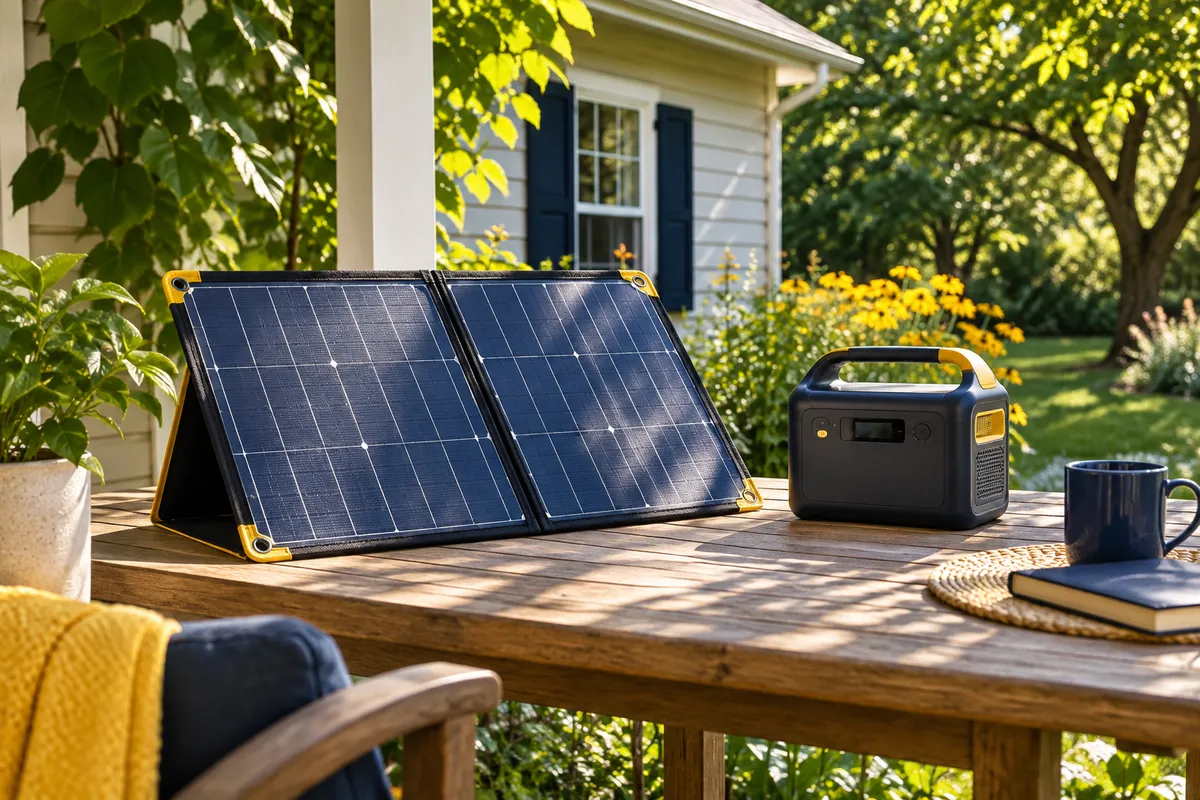
Jackery's current models use LiFePO4 (LFP) batteries, which last thousands of charge cycles. Explorer models are portable all-rounders; HomePower models are built around home backup, and the 'Plus' versions accept add-on battery packs. Jackery's SolarSaga folding panels are designed to pair with them.
Before you buy: compare the planner's battery number with the model's capacity, make sure the AC output covers everything you'll run at once, and check the warranty. Also see our starter gear checklist and the Anker SOLIX comparison.
Common questions
Which Jackery power station should a beginner buy?
For most beginners, a model around 1,000 Wh is the sweet spot: big enough for a CPAP or a fridge for several hours, still light enough to carry. Run the free Solar Planner with your own devices before choosing, because your list decides the size, not the brand.
How long will a power station run my fridge?
A typical full-size fridge averages roughly 60 watts over a day (about 1.4 kWh per day). Multiply the station's capacity by about 0.85 for losses, then divide by 60 for a rough number of hours. Older or larger fridges can use much more; a plug-in energy meter tells you exactly.
Can I plug a power station into my house wiring?
Not directly. Never backfeed a home through a dryer or wall outlet. Some larger units can connect to home circuits through a transfer switch or power hub, and that must be installed by a licensed electrician.
Why are the runtimes rough estimates?
Real runtime depends on your exact devices, temperature, battery age and inverter efficiency. Our estimates assume about 85% of rated capacity is usable, a common planning rule of thumb.